
Last Updated on June 19, 2026 by Candi Randolph
Have you ever found yourself wide awake at 2:47 a.m., staring at the ceiling and wondering what on earth your brain finds so fascinating about replaying that conversation from 2003? Yep, same here. Sleep used to be so simple – brush your teeth, hit the pillow, lights out. But somewhere along the road to our 60s, that straightforward routine turned into a nightly guessing game.
If you’ve been struggling to sleep better, you’re not alone. In fact, for many women, healthy sleep in midlife feels like trying to solve a puzzle where half the pieces are missing, and the ones you do have keep moving around. One night you’re too hot, the next night you’re wide awake for no reason at all, and let’s not even talk about the 3 a.m. snack cravings.

The thing is, sleep health changes with age, and hormones are often the quiet culprits in the background. They may not be the only reason you can’t get a full night’s rest, but they’re definitely part of the story. Add in lifestyle changes, medications, and decades of habits, and you’ve got yourself a perfect storm of restless nights.
The good news? There are practical, doable, non-intimidating tips for better sleep, and understanding what’s actually happening in your body is the first step. So if you’ve been wondering how to get a better night’s sleep or looking for real, no-nonsense ways to sleep better, let’s talk through the things that might be getting in the way, and what you can do about it.
No gimmicks. No unrealistic expectations. Just some honest conversation and encouraging ideas to help you build a healthy nighttime routine that actually fits your life. Sound good?
If you click on a link and then make a purchase, I may earn a small commission at no additional cost to you. Thank you!
- 1. Your Sleep Patterns Do Change with Age
- 2. Lower Estrogen Can Disrupt Sleep
- 3. Progesterone: The Calming Hormone That’s Missing
- 4. Melatonin Drops, Too
- 5. Cortisol Levels Might Be Off-Kilter
- 6. Thyroid Function Could Be a Sneaky Culprit
- 7. Hot Flashes Aren’t Just for the Menopause Years
- 8. Medications and Supplements Matter
- 9. Lifestyle Habits Make a Bigger Difference Than You Think
- 10. Natural Remedies and Sleep Hygiene Really Can Help
- Closing Thoughts
1. Your Sleep Patterns Do Change with Age
Let’s clear something up right away: if you’ve been blaming yourself for not sleeping like you used to, please stop. This isn’t about something you’re doing “wrong”, it’s just biology doing what biology does. As we age, our sleep cycles naturally shift. That deep, dreamy stage of sleep that used to carry you straight through the night? It starts showing up less often in your 60s.
Instead, what you might notice is lighter sleep, more frequent waking, and that annoying feeling of being tired but wired when your head hits the pillow. Some women tell me it’s like their body is ready for bed, but their brain decides it’s time to alphabetize their spice rack instead.
These shifts are part of the normal aging process, but that doesn’t mean we have to accept restless nights as the new normal. Paying attention to your sleep habits and creating a healthy sleep environment can make a real difference. Even simple changes, like adjusting your evening routine or cutting back on evening screen time, can be powerful when it comes to figuring out how to get quality sleep again.
The goal isn’t to magically sleep like a teenager (honestly, who wants to relive those years?), it’s to build a realistic rhythm that helps you feel rested, sharp, and steady. And yes, it is possible.
2. Lower Estrogen Can Disrupt Sleep
Estrogen tends to get a lot of attention when we talk about hot flashes and mood swings, but it also plays a pretty big role in how to sleep better at night. When levels of estrogen drop – as they do in the years leading up to and following menopause – it can mess with more than just your thermostat.
This hormone helps regulate temperature, supports serotonin (your feel-good brain chemical), and even affects your ability to stay asleep. So when estrogen dips, sleep often follows – right out the window. That’s why some women in their 60s are still dealing with night sweats, restless tossing, and that frustrating “I was asleep and now I’m not” routine.
Think of estrogen as the behind-the-scenes assistant that used to keep everything running smoothly. Without her, your sleep health can feel a bit chaotic. And while we can’t press a button to turn it back on, we can support our bodies with better habits and helpful routines.
If you’re looking for tips to sleep better, start by paying attention to your evening environment – cooler rooms, breathable fabrics, and winding down with intention can all help ease those hormone-related wake-ups. You’re not imagining the changes, and you’re not alone in this. Thankfully, there are plenty of ways to adapt and get closer to better sleep again.

3. Progesterone: The Calming Hormone That’s Missing
If estrogen is the thermostat manager, progesterone is the peacekeeper – the calming, soothing influence that once helped lull you into a restful night. Back in the day, it was like a warm blanket for your nervous system. But as levels drop in your 60s, that natural sense of relaxation can go right along with it.
Without enough progesterone, you might notice more anxiety, irritability, and a racing mind that refuses to power down at bedtime. That’s a big part of why you may be lying there thinking about next week’s grocery list…or what ever happened to that old neighbor from three houses ago.
Many women searching for how to get better sleep at night don’t realize that this quiet hormonal shift could be stirring things up behind the scenes. When progesterone takes a back seat, sleep often becomes lighter, shorter, and harder to hold onto.
So what helps? Slowing your evenings down. Building a healthy nighttime routine that helps you transition gently from busy to calm. Try journaling, light stretching, or a warm bath with magnesium-rich Epsom salts – anything that helps cue your body that it’s time to unwind. Little rituals can go a long way in teaching your brain how to sleep better even when your hormone levels aren’t playing along.
You may not be able to call progesterone back to the stage, but you can absolutely work around her absence.
4. Melatonin Drops, Too
One reason that came so easily in your younger years is melatonin, your body’s natural “sleep now” signal. But much like your tolerance for noisy restaurants and uncomfortable shoes, melatonin tends to decrease with age.
By the time we reach our 60s, our melatonin production has slowed way down, and that can make it harder to fall asleep and stay asleep. It’s one of the reasons so many women are still searching for how to get a better night’s sleep, even when everything else in their routine seems “right.”
You might find yourself tossing and turning, watching the clock, or waking up far too early for no clear reason. It’s frustrating, but also fixable, with the right approach. While some people turn to melatonin supplements, it’s not the only path. Creating an evening environment that encourages natural melatonin production can really help.
That means dimming the lights an hour before bed, putting the phone or tablet away (I know, easier said than done), and settling into a healthy night time routine that signals to your body: “We’re winding down now.” These habits may seem small, but they add up when it comes to building better sleep without forcing it.
So if you’re wondering how to get better sleep, think of melatonin as something you can gently support, even if your body’s not producing as much of it as it used to.

5. Cortisol Levels Might Be Off-Kilter
Ah, cortisol. The hormone that was supposed to help us stay alert in the morning and relaxed at night… only it sometimes gets the memo completely backward. In our 60s, cortisol can start showing up at all the wrong times, like 4 a.m., when you’d really prefer sleep over solving the world’s problems from your pillow.
Cortisol is your body’s stress hormone, and when it spikes at night, or stays too high throughout the day, it can keep your mind racing and your body feeling restless. If you’ve ever been exhausted but couldn’t fall asleep, or if you wake up wired long before the sun is up, this might be the culprit.
It’s one of the lesser-known reasons why so many women struggle with how to sleep better at night. And the tricky part? Cortisol responds to everything from late-night screen time to emotional stress to skipping meals, so it’s not just about winding down at bedtime. It’s about how you treat your whole day.
Supporting balanced cortisol can start with small changes: keeping consistent mealtimes, limiting caffeine after lunch, and adding calming moments to your day (like a walk, prayer, or gentle breathing exercises). These are all things to help sleep that don’t require a prescription, just a little intentionality.
So if you’re serious about figuring out how to get quality sleep, don’t underestimate the ripple effect of stress hormones. Managing your days well helps you rest at night, and that kind of balance is always worth aiming for.
6. Thyroid Function Could Be a Sneaky Culprit
Let’s talk thyroid, because when this little butterfly-shaped gland goes out of balance, it can flutter through your whole system, including your sleep. Whether it’s overactive (revving you up like a triple espresso) or underactive (leaving you sluggish during the day but wired at night), your thyroid can play a big role in your ability to get better sleep.
And here’s the tricky part: thyroid symptoms don’t always show up clearly. Maybe you’ve chalked it up to aging, or blamed your mood, or thought you were just imagining things. But if your sleep feels unpredictable, your energy is all over the place, or your weight keeps shifting despite your efforts, your thyroid might deserve a second look.
Plenty of women in their 60s are still asking how to sleep better at night, and sometimes the answer involves checking in with your doctor and running a simple blood test. It’s not glamorous, but it’s empowering. Knowing what’s going on under the surface is one of the smartest tips for better sleep you can follow.
If you’re already managing a thyroid condition, it’s worth noting that even small changes in dosage or routine can affect your sleep health. So if something feels off, trust your instincts and speak up.
Sometimes, how to get better sleep starts with listening to your body, and giving yourself permission to look deeper.
7. Hot Flashes Aren’t Just for the Menopause Years
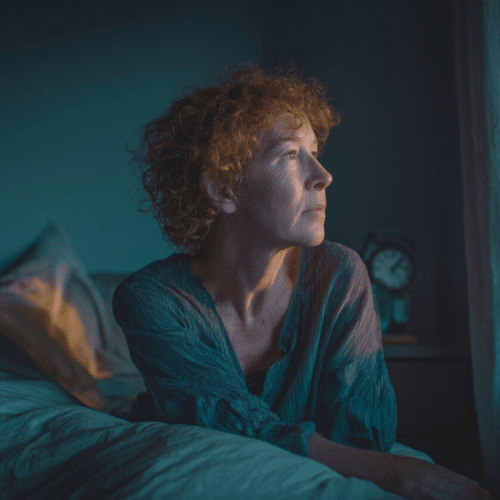
Whoever said hot flashes end with menopause clearly didn’t talk to enough women in their 60s. While the worst of it may be behind you, those surprise heat waves can still make an appearance – especially in the middle of the night, right when you were finally drifting off. Fun, right?
Even a mild hot flash can disrupt your ability to sleep better, and when they’re paired with night sweats or chills that follow, it’s no wonder so many women are still Googling how to have a good night routine well past their 50s.
You might think, “I’m past menopause, shouldn’t this be over?” And while that’s a fair question, the reality is that hormonal fluctuations can continue for years. Everyone’s body runs on its own timeline, and that includes the frequency and intensity of vasomotor symptoms (that’s the technical term for those surprise heat surges).
So what can you do? One of the best tips to sleep better is to keep your bedroom environment cool and calm. Think breathable sheets, lightweight pajamas, a fan by the bed, even keeping a cool cloth nearby for quick relief if needed. You might not stop hot flashes entirely, but you can definitely reduce their power to ruin your night.
This is about managing the reality of your body now, not trying to turn back the clock. And with a little planning and patience, you can absolutely make room for more healthy sleep in your life – even when your hormones have a mind of their own.
8. Medications and Supplements Matter
Sometimes, the culprit behind restless nights is hiding in plain sight—right there in your daily pill organizer. Many common medications can sneakily interfere with your ability to get better sleep, especially those for blood pressure, asthma, allergies, or mood support. Even some supplements marketed as “natural” can be stimulating if taken too late in the day.
And let’s not forget the good ol’ multivitamin. Timing matters. That “extra energy” blend may sound lovely until it’s keeping you up counting ceiling tiles.
If you’ve ever wondered how to sleep better at night and felt like you’ve tried everything, it might be worth reviewing your meds and supplements with your healthcare provider. Even a small adjustment – like changing the time of day you take something – can make a noticeable difference in your sleep habits.
Also, don’t overlook interactions. That relaxing tea you love? If it’s paired with the wrong supplement or medication, it could backfire. So, before adding something new to your routine in the name of better sleep tips, double-check that it’s actually helping rather than working against you.
This doesn’t mean you need to overhaul everything. Just stay curious, informed, and willing to ask questions. Sometimes, the path to healthy sleep is as simple as tweaking what – and when – you take certain things.
9. Lifestyle Habits Make a Bigger Difference Than You Think
It’s easy to underestimate the little things we do each day, like that afternoon cup of coffee that somehow seems to echo at bedtime, or the nightly scroll through headlines that does everything except relax us. But these everyday habits have a bigger impact on how to sleep better than we often realize.
In your 60s, your body becomes more sensitive to disruptions. That glass of wine in the evening might feel like a treat, but for many women, it ends up interfering with deep sleep. And don’t even get me started on late-night news or phone notifications that keep your brain buzzing long after the lights go out.
So if you’ve been wondering how to get a better night’s sleep, start by looking at your daily rhythm. Are you giving yourself time to transition from activity to rest? Are you creating space for calm in the evening, or just crashing into bed and hoping for the best?
Simple changes – like cutting caffeine after 2 p.m., limiting screen time before bed, and following a consistent sleep schedule – can make a real difference. These are ways to sleep better that don’t cost a thing but offer solid returns.
10. Natural Remedies and Sleep Hygiene Really Can Help
Sometimes we get so used to restless nights that we stop expecting anything different. But there’s a whole world of gentle, natural approaches that can support better sleep, and no, they don’t require turning your bedroom into a science lab or buying a dozen sleep gadgets.
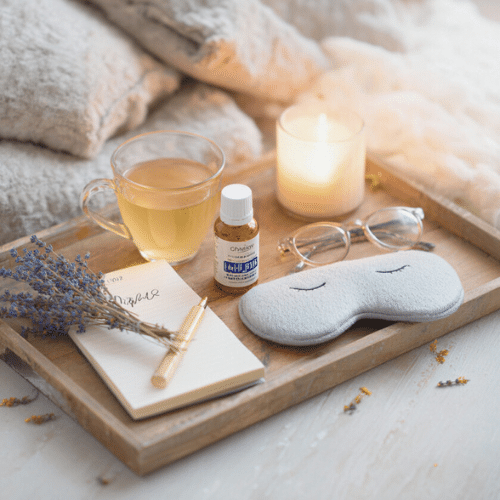
Simple things like magnesium, valerian root, tart cherry juice, or a warm mug of non-caffeinated herbal tea can all support how to get better sleep. And paired with solid sleep hygiene habits as we’ve discussed, things like going to bed at the same time each night, keeping your bedroom cool and dark, and limiting light exposure before bedtime, you create a solid foundation for rest.
These might seem like small steps, but don’t underestimate their power. When you’re working with your body instead of against it, even subtle shifts can lead to noticeably better sleep tips and outcomes.
It’s not about being perfect. It’s about paying attention, making a few smart adjustments, and giving your body the chance to do what it wants to do – rest, repair, and recharge. If you’ve been stuck in the cycle of tossing, turning, and feeling defeated, know this: there are natural things to help sleep, and they can absolutely work in your favor.
So take a deep breath, exhale slowly, and remind yourself, it’s okay to prioritize your rest. In fact, it’s essential.

Closing Thoughts
Let’s be honest, sleep in your 60s can feel like a bit of a mystery. One night it’s decent, the next night you’re staring at the clock wondering if 3:11 a.m. is a reasonable time to start laundry. But here’s the good news: you’re not powerless, and you’re definitely not alone.
Understanding the changes your body is going through – especially the role hormones still play – can help you stop blaming yourself and start making small, thoughtful changes that support your sleep health. Whether it’s adjusting your routine, reviewing your medications, managing stress, or simply creating a more peaceful nighttime rhythm, every step you take is a step toward how to get quality sleep again.
You don’t need a perfect plan. Just a little patience, a little experimentation, and a whole lot of grace. Because better sleep isn’t just about rest, it’s about how you feel each day: more clear-headed, more energized, more like you.
So tonight, start small. Choose one gentle shift toward rest. And trust that with time, consistency, and care, better sleep really is possible, even in this beautifully seasoned stage of life.

Like this post? Share it!

This was the first article in this post that I read. I am seventy-eight and usually can fall asleep easily but don’t go back to sleep after a bathroom trip or to let elderly dogs out to potty. Melatonin, gaba or L-theanine don’t always help. My oldest daughter take the prescription Ambien, but I prefer other methods. It’s like my body says, “okay, that’s enough sleep.” This seems to be an issue with a lots of us golden girls.
Hi Donna, thanks for sharing your comments about the challenges of getting a good night’s sleep as we get older. Sometimes it takes some experimentation to discover what works best for each of us. I do well with a small amount of Melatonin, but even with that there are times I lay awake and review all the events of my life at 2 a.m. 😊